XR System Apps
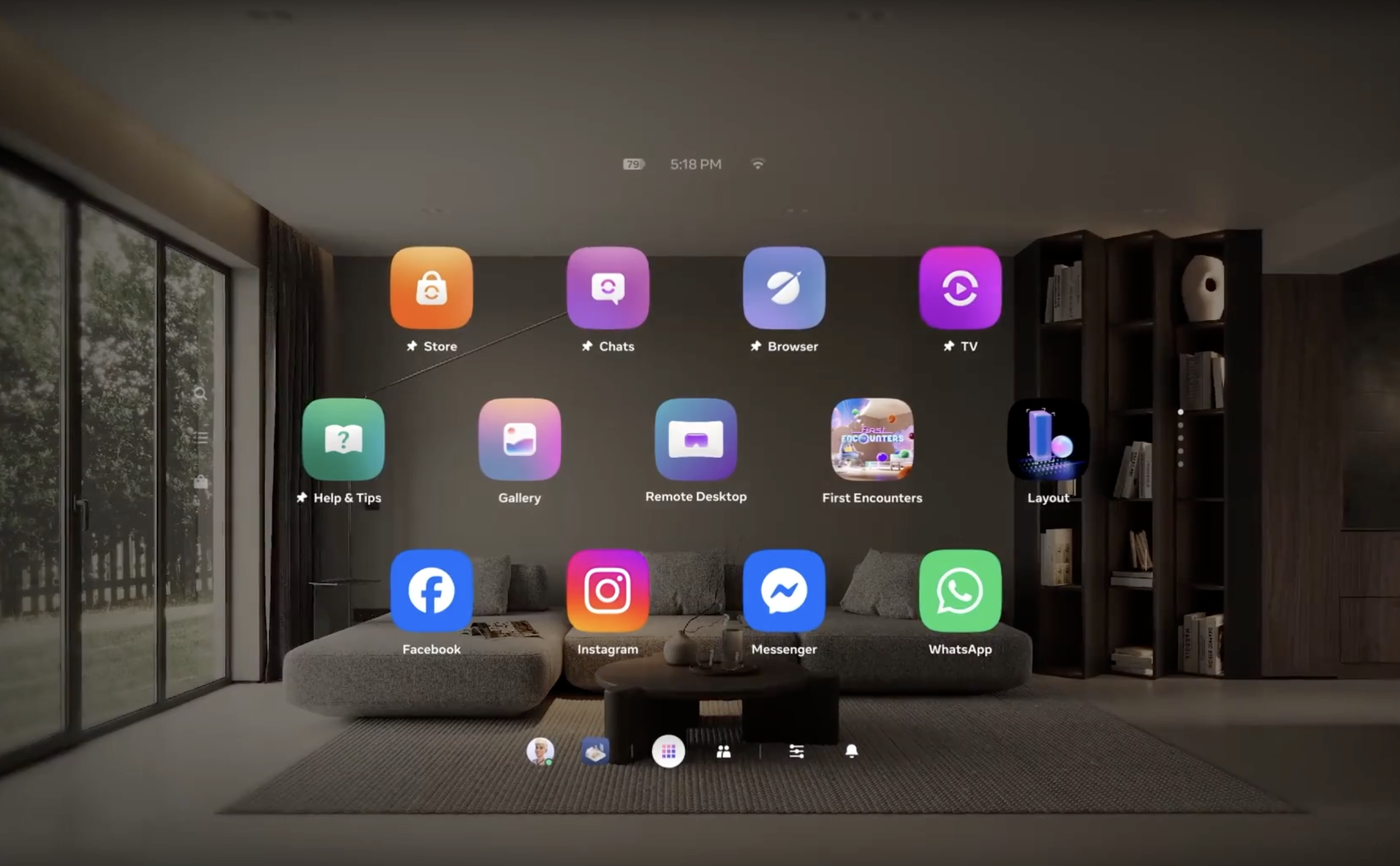
Every operating system needs a foundation: the default apps that ship built in and quietly shape how a device feels to use. On phones that foundation is mature and invisible. In XR it barely exists yet.
I'm the sole designer for three of those foundational apps on Meta Quest, Clock, Files, and Calendar, each one defining how a system app should behave when your inputs are your eyes, your hands, a controller, and a keyboard, sometimes all at once.
Company
Meta Reality Labs
Year
2026
XR Utility apps
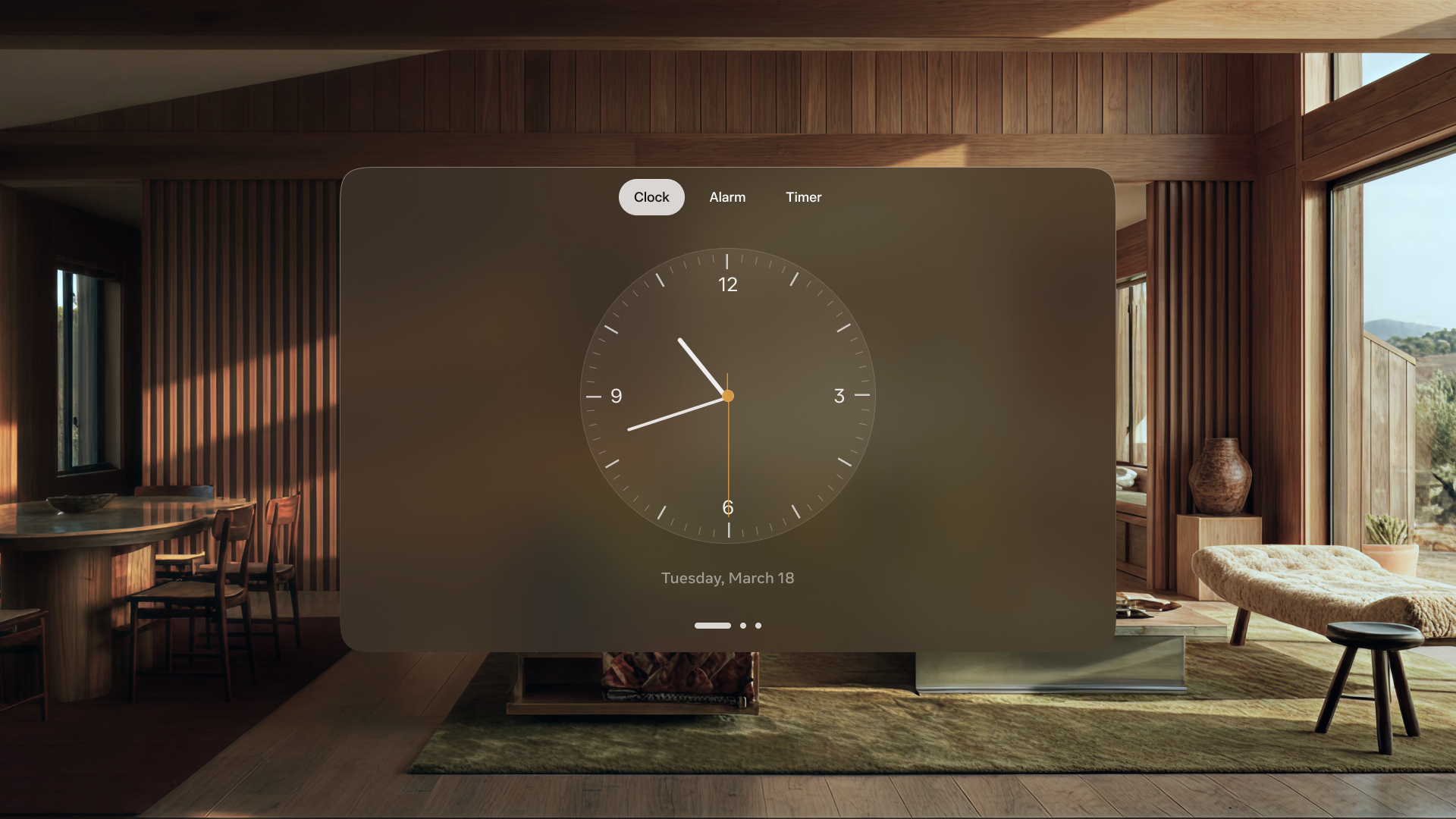
The Clock app began as a data signal: Quest users were repeatedly searching for a utility app that didn't exist on the platform. I took it from zero to one as sole designer, independently shipping it from spec to headset using an AI-native workflow with no engineering support. It has since been selected as a showcase app for Meta's next-generation XR design language, making it one of the first products to define what the new design system looks like in practice.
XR Files App
The Files app is a default system app on Meta Quest that I redesigned to introduce multi-select and drag-and-drop functionality, including the ability to drag files directly into third-party apps like WhatsApp — a first for the platform. I also designed the full input interaction model for the app, defining how selection and navigation behave across gaze, controller, keyboard, and mouse inputs. The update shipped to positive user reception and established foundational interaction patterns for file management in VR.
XR Calendar App
Calendar shipped as part of the Meta Quest v71 update alongside a broader Horizon OS redesign, and I took over the product as sole designer to continue building on its core features. The design challenge I want to highlight is gaze targeting: on a new wearable device that selects UI elements with eye tracking, overlapping calendar events in the same time slot create a precision problem that doesn't exist on any other platform. I solved it by designing a flyout that expands the selectable area when multiple events compete for the same gaze target, giving users a reliable way to select exactly what they meant.